

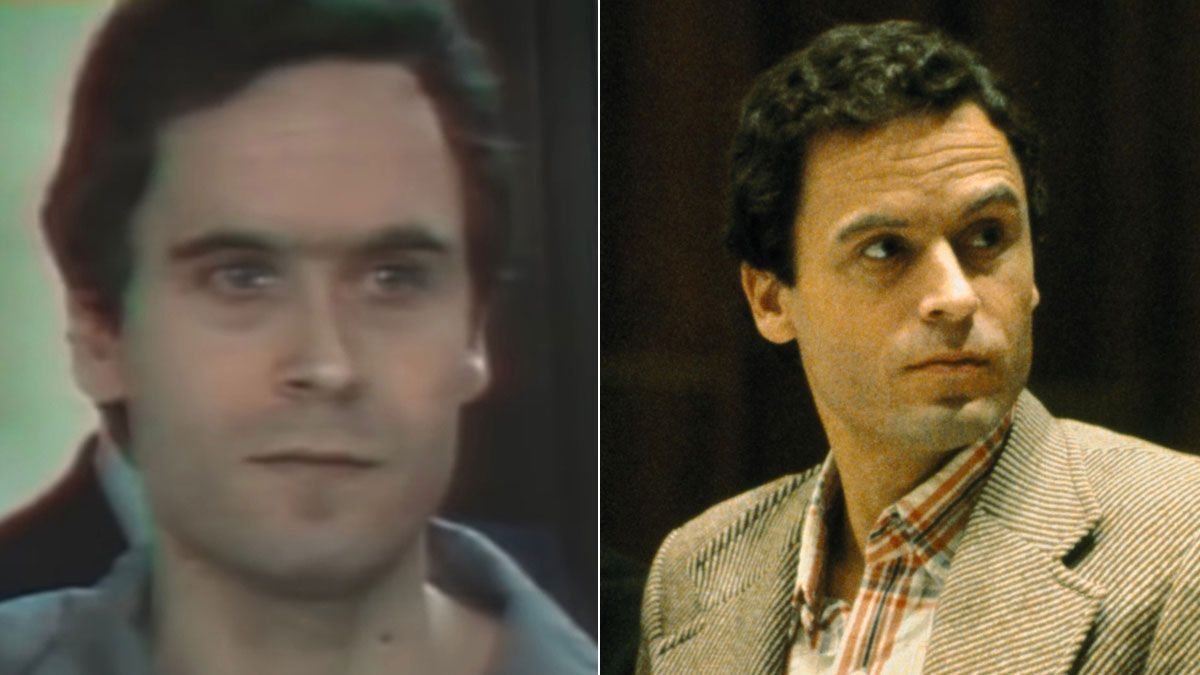

In the summer of 1974, a wave of fear swept across America due to a series of mysterious disappearances in the Pacific Northwest. The sudden vanishing of women from local universities left law enforcement authorities puzzled. The emergence of Ted Bundy, a charming and handsome man next door, as a key suspect shocked everyone. Decades later, as the anniversary of his execution approaches, an expert has delved into the twisted mind of this notorious serial killer, whose brain was examined posthumously.
Within a span of six months, six women went missing under suspicious circumstances. Reports circulated of a man named Ted, described as dark-haired and attractive, luring victims into his vehicle by pretending to be injured and seeking assistance. The revelation that this seemingly perfect and caring stepfather had confessed to 36 murders stunned the police, public, and experts, with speculations suggesting the actual body count could exceed 100.
Phil Macleod, a hypnotherapist, psychologist, and Founder of Thought Leader, highlighted the enduring mystery surrounding Bundy’s psyche. Despite coming from a stable and loving family background, Bundy’s inexplicable actions baffled many. Bundy himself infamously referred to himself as a ruthless individual, admitting to gruesome acts of violence such as decapitation.
Before his execution, Bundy confessed to the thrill of taking lives and the morbid possession of his victims’ remains. Macleod pointed out that while Bundy displayed clear signs of severe psychopathy, his outwardly normal family upbringing showcased how such dark traits could lurk beneath the surface in seemingly stable environments.
In his final days, Bundy admitted to a porn addiction, suggesting how his fantasies fueled by such material played a role in shaping his violent tendencies. Despite his claims, experts disputed the role of pornography in his crimes, viewing it as a diversion from true accountability.
Bundy’s ability to mask his true nature with charm and deceit was a recurring theme in his interactions with victims, as noted by Macleod. This facade of normalcy allowed Bundy to manipulate and control his victims, devoid of genuine empathy or remorse. His elaborate schemes, including posing as a police officer or utilizing fake injuries to gain trust, reflected his narcissistic and antisocial personality traits.
Bundy’s reign of terror extended through numerous escapes and heinous crimes, culminating in his eventual capture and execution in 1989. Despite his violent and unrepentant nature, Bundy’s case remains a chilling reminder of the depths of human depravity hidden behind a facade of normalcy.